Ramadan is a holiday with generations of tradition and celebration attached. Over a month period, starting Feb. 17 and ending Mar. 19, those who follow the Islamic religion take part in fasting.
Those who celebrate fast from all food and water, from sunrise to sundown. It’s a celebration of revelation and is a time when people can focus on growth and self-discipline, as well as their closeness with God. Community is a big part of the month, as well, with family meals such as Suhoor (pre-dawn) and Iftar (evening), alongside special prayers and increased charity.
The actual act of fasting is the most well-known aspect of Ramadan. For Muslims, fasting is due to God’s command, spiritual purification, self-discipline and closeness to Allah. Abstaining from food and drink is how they build empathy for the less fortunate and how they focus on prayer and mindfulness.
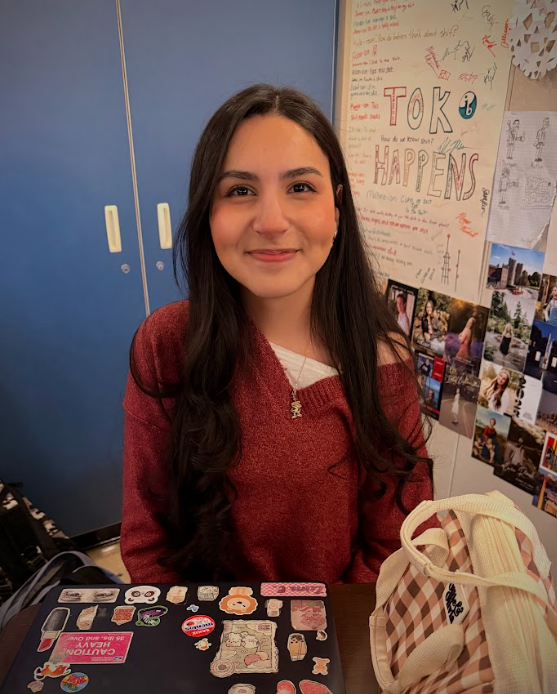
Freshman Lily Eisawy said, “When I’m not thinking of eating food or drinking water, that leaves more room for thinking of my faith and doing good deeds.”
Suhoor is meant to build strength for the upcoming fast before dawn in physical nutrition. Iftar in the evening not only nourishes the body, but the mind, as the meal is often shared within families and communities and works to strengthen bonds.
Eisawy’s sister Zeina, a senior, remarked on her experiences with the festivity.
“My favorite parts of Ramadan are when we break our fasts and eat a meal together as a family. It’s always a special experience, and I look forward to it.”
Ramadan is practiced by millions of people worldwide and is a much-anticipated time of year for those who celebrate.